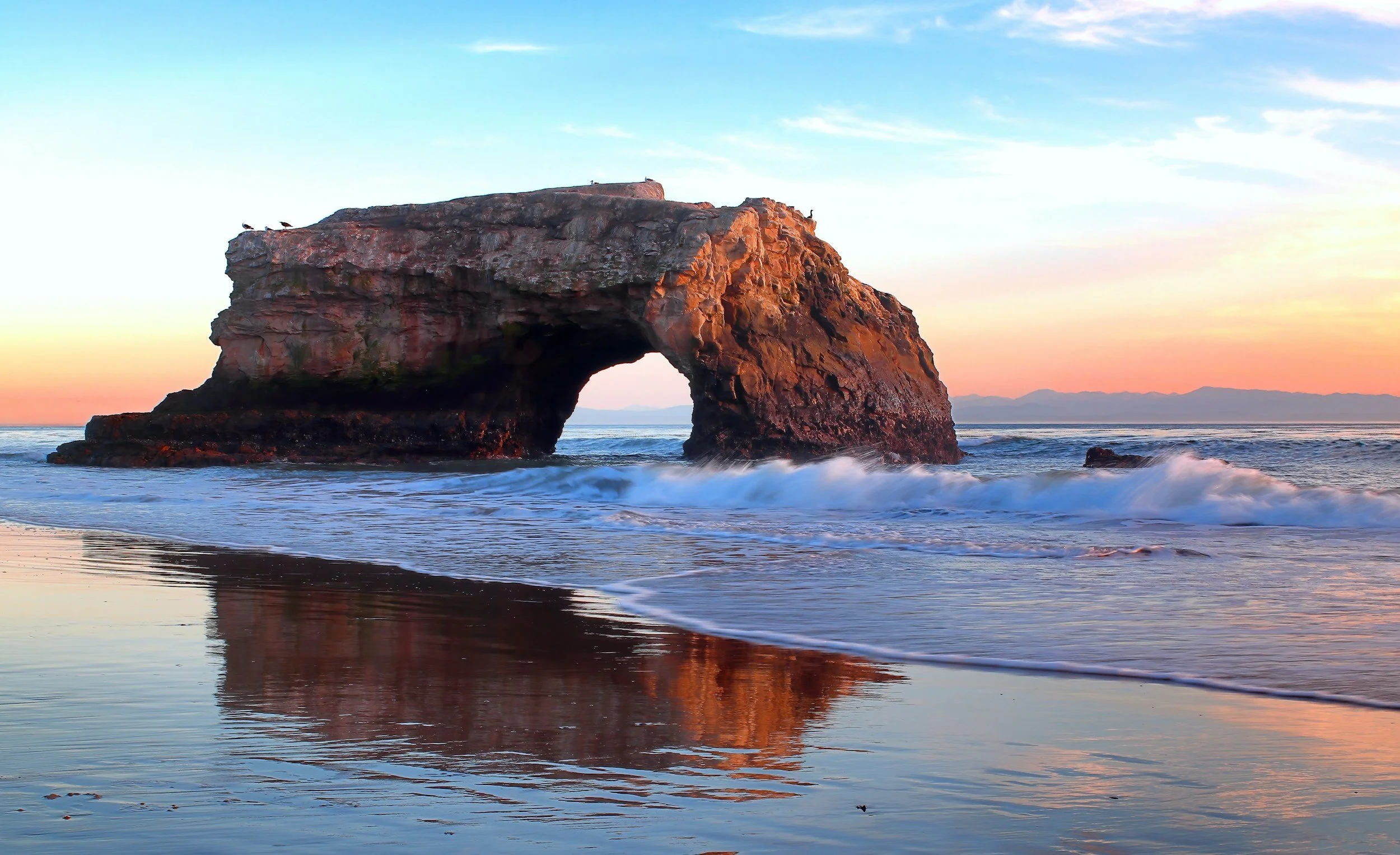
Trauma Therapy in Santa Cruz County, CA
In-person in Soquel. Online throughout California.
Most people don't come to trauma therapy because of the thing that happened. They come because of what it's still doing, the sleep that won't come, the argument that turned into three days of shutdown, the promotion they can't enjoy, the drink that became four.
Trauma isn't only what happened to you. It's what your nervous system learned to do to survive it, and how long it kept doing it after the danger passed.
I'm Christopher Greer, a Licensed Clinical Social Worker in Soquel.
I work with adults across Santa Cruz County — Soquel, Capitola, Aptos, Santa Cruz, Scotts Valley, Watsonville — and with clients anywhere in California by secure video.
Whether what you're carrying is one overwhelming event or twenty years of it, the work is the same: helping your body and mind understand that it's over.
How Trauma Actually Shows Up
Flashbacks and nightmares are the version most people know. They're also not how trauma presents for most of the clients I see.
More often it looks like:
Scanning every room, every conversation, every text for what might go wrong
Going numb when things get hard, then feeling guilty about the numbness
A reaction that's ten times bigger than the moment called for, and not knowing why
Keeping people at a distance you didn't choose
Shame that feels like a fact about you rather than a feeling
Functioning beautifully on the outside and white-knuckling it on the inside
Drinking, working, scrolling, or using to turn the volume down
None of that means something is wrong with you. It means your nervous system built a defense that worked, and never got the signal to stand down. Therapy is where it gets that signal.
What Working Together Looks Like
I don't ask you to tell me your story on day one. Trauma work that moves too fast tends to re-injure rather than resolve, so we start somewhere else.
First, stability. We build regulation skills and a clear sense of what your own warning signs look like, so you have somewhere to land before we go anywhere difficult. For some people this takes two sessions. For others it takes two months. Either is fine.
Then, processing. Once you have footing, we work with the material itself — the memories, the beliefs that formed around them, the physical charge they still carry. You stay in control of pace the entire time. "Not today" is always an available answer.
Then, the part nobody talks about. Rebuilding. Relationships, work, sense of self, the ordinary pleasures that trauma flattens. This stage is often where the real change gets consolidated.

The Approaches I Draw From
I'm not loyal to a single model. What I use depends on what your nervous system responds to.
Trauma-informed practice. Safety, transparency, and choice aren't add-ons to the work. They're the mechanism. You'll always know what we're doing and why.
EMDR-informed methods. Bilateral processing to reduce the emotional charge on memories that stayed stuck instead of filing themselves away. Useful for both single-incident and developmental trauma.
Somatic awareness. Trauma lives in the body as much as the story. We pay attention to what your body is doing while we talk, because it often knows first.
Mindfulness and grounding. Practical tools you can use at 2am, in a meeting, in the car, when you need them and I'm not there.
Ketamine-Assisted Psychotherapy. For clients whose symptoms haven't moved with talk therapy alone, KAP can loosen entrenched patterns and open a window for processing. It's not for everyone and it's never the starting point. If it's a fit, we'll discuss it directly.
Who I Work With
Adults carrying childhood trauma, neglect, or attachment wounds
People diagnosed with PTSD or complex PTSD (C-PTSD)
Survivors of assault, accidents, medical trauma, or a single overwhelming event
High-functioning professionals and parents holding it together in public
People navigating trauma alongside substance use
Adults in Santa Cruz County in person, or anywhere in California online
Trauma and Substance Use Rarely Travel Alone
A lot of drinking and using is trauma treatment that stopped working. Getting sober without addressing what the substance was managing tends to leave people white-knuckling something that was never really about the substance.
I work with both, in the same room, at the same time. You don't have to be fully abstinent to start, and you don't have to pick which problem to bring in.
Practice Details
Location: 5905 Soquel Dr., Ste. 350, Soquel, CA 95073 — off Highway 1 near the 41st Ave exit, with parking on site.
Online: Secure, HIPAA-compliant video for clients anywhere in California. Same work, different room.
Sessions: 50 minutes, typically weekly to start.
License: Christopher Greer, LCSW — CA License #104054
Common Questions About Trauma Therapy
-
Not in detail, and not before you're ready. Some approaches process trauma with very little narrative retelling. We'll find the route that works for you.
-
Single-incident trauma often resolves in a few months. Complex or developmental trauma usually takes longer, because we're working with patterns that formed over years. I'll give you an honest read after we've worked together a few sessions rather than a number on day one.
-
That's common, and it isn't an obstacle. Trauma memory is often fragmented or body-based rather than narrative. We can work with what's there.
-
Research supports it, and many clients find their own home to be the safer container. If in-person turns out to matter for you, my Soquel office is available to Santa Cruz County clients.
-
Standard talk therapy works with thoughts and behavior. Trauma therapy also works with the nervous system responses underneath them, which is why insight alone often isn't enough to create change.
-
No. Plenty of people carry the effects of trauma without meeting diagnostic criteria, and the work helps either way.
Start With a Conversation
A free 20-minute phone consultation. You describe what's going on, I tell you honestly whether I'm the right fit, and if I'm not, I'll point you toward someone who is. No pressure and no obligation.
Call (831) 480-5292 or email chris@gcpsychotherapy.com